
Shipping Containers for Rent or Sale
Shipping Container Rental Terms and Pickup
Ask what begins billing, the minimum rental period and how extensions are charged. Confirm how much notice is required for pickup and which site conditions must be restored before collection. A complete shipping container rental price includes the recurring term, delivery and scheduled removal.
For a purchased container, confirm when ownership transfers and which delivery work is included. Ask whether the offered unit is the same container inspected or photographed. Compare containers for sale by condition and delivered cost rather than an equipment price without transport.
Compare Delivered Shipping Container Prices
Request written prices for the same size, condition and transaction. Give each provider the same address and placement requirements. The useful comparison is the shipping container delivered to the site, positioned as agreed and ready for the storage use described in the request.
Shipping containers for rent or sale provide secure storage close to construction work, commercial operations and temporary facilities. Compare storage container sizes, condition, delivery and total project cost for the location where the container will be used. A container price is only useful when it covers the right size, condition and delivery scope.
National helps buyers compare shipping container rental and purchase options. Provide the delivery address, preferred size, rental term or purchase requirement, intended contents and site access so providers can quote the same storage need.
Rent a Shipping Container
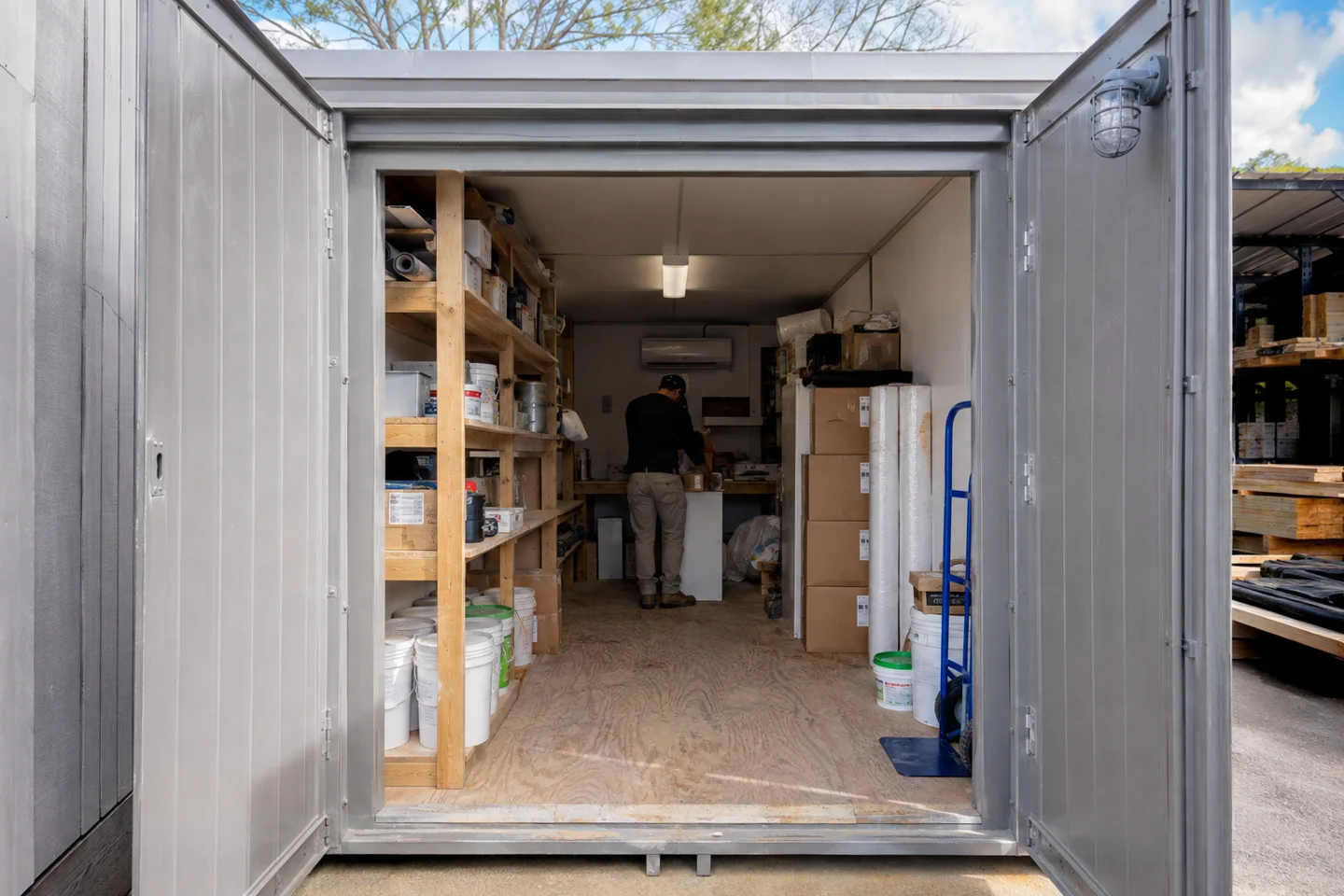
Shipping container rentals can support a defined construction project, renovation, seasonal operation or temporary storage requirement. Ask about the minimum rental term, recurring rate, delivery charge, pickup charge and extension terms. Confirm the condition of the container and the doors before scheduling delivery.
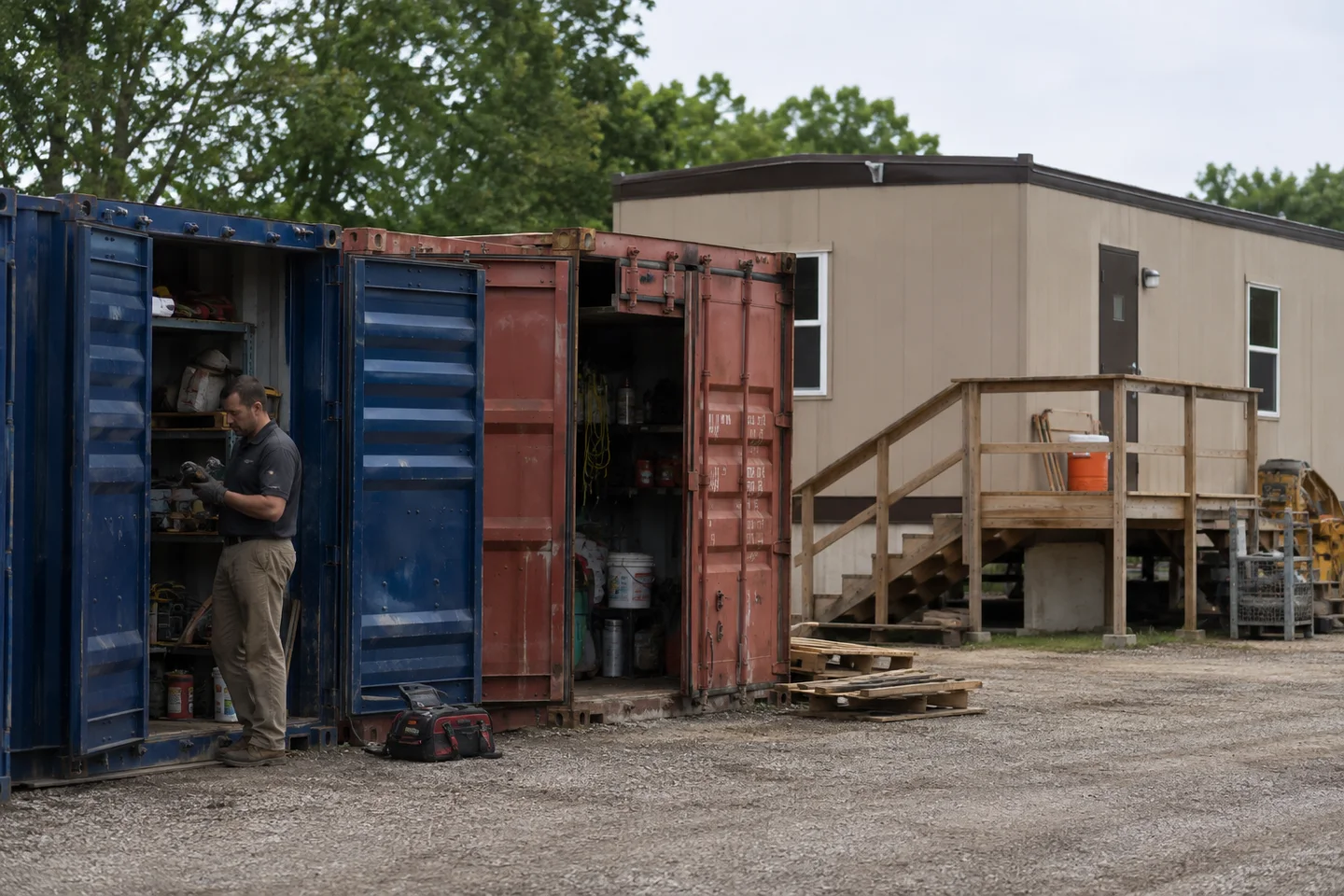
On a construction project, place the storage container near the work without blocking the mobile office trailer, fence gates or delivery routes. Keep tools and materials in the container so the office remains usable for people, paperwork and meetings.
Buy a Shipping Container
Shipping containers for sale may suit long-term storage or repeated project use. Compare new and used container condition, door operation and visible damage. Request the delivered purchase price and include any work required to prepare the placement area.
Buying removes the recurring rental charge but creates responsibility for the container after the current need ends. Include future relocation, maintenance and resale in the decision. Compare a rental and purchase proposal for the same container size and condition when both options are available.
Compare Shipping Container Sizes and Conditions
Common requests include 20-foot and 40-foot shipping containers, but local inventory varies. Ask for exact exterior and interior dimensions, door clearance and condition. High-cube or specialty configurations should be identified in the request rather than assumed.
- Container size and configuration
- Rental, lease or purchase transaction
- New, one-trip or used condition where available
- Door type and operating clearance
- Delivery address and site access
- Rental term, extension and pickup requirements
Plan Shipping Container Delivery
The site needs more than the final container footprint. Share gates, turns, slopes, overhead restrictions and surface conditions with the provider. Confirm the placement orientation and which direction the doors should face before dispatch.
Coordinate container placement with temporary fencing, parking and pedestrian routes. Keep enough operating room at the doors for the equipment and materials being stored.
Get Shipping Container Prices
Give every provider the same size, condition, transaction and delivery requirements. Compare the complete delivered storage container price, including pickup for rentals. Confirm the actual offered container before accepting a proposal.
Compare shipping containers for rent or sale near your project. Request shipping container prices now →